

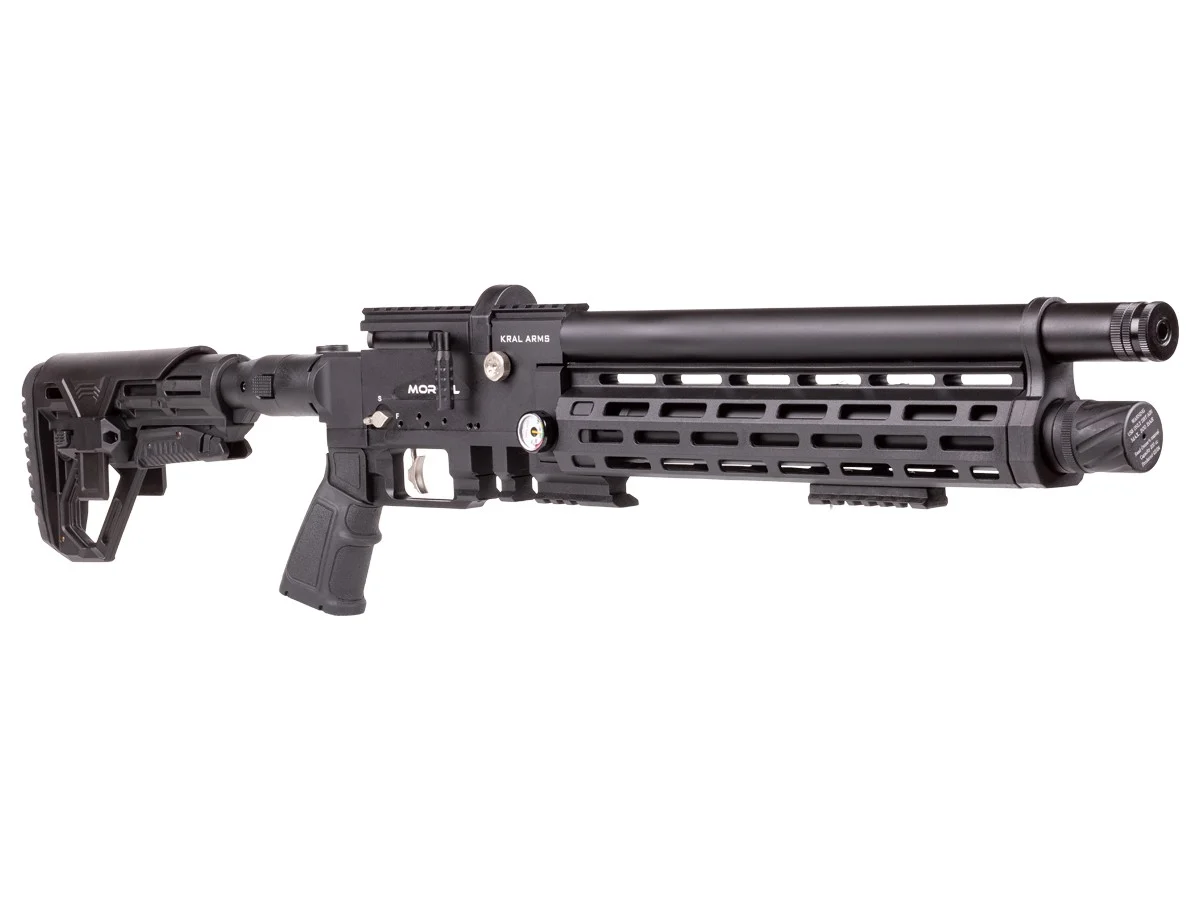
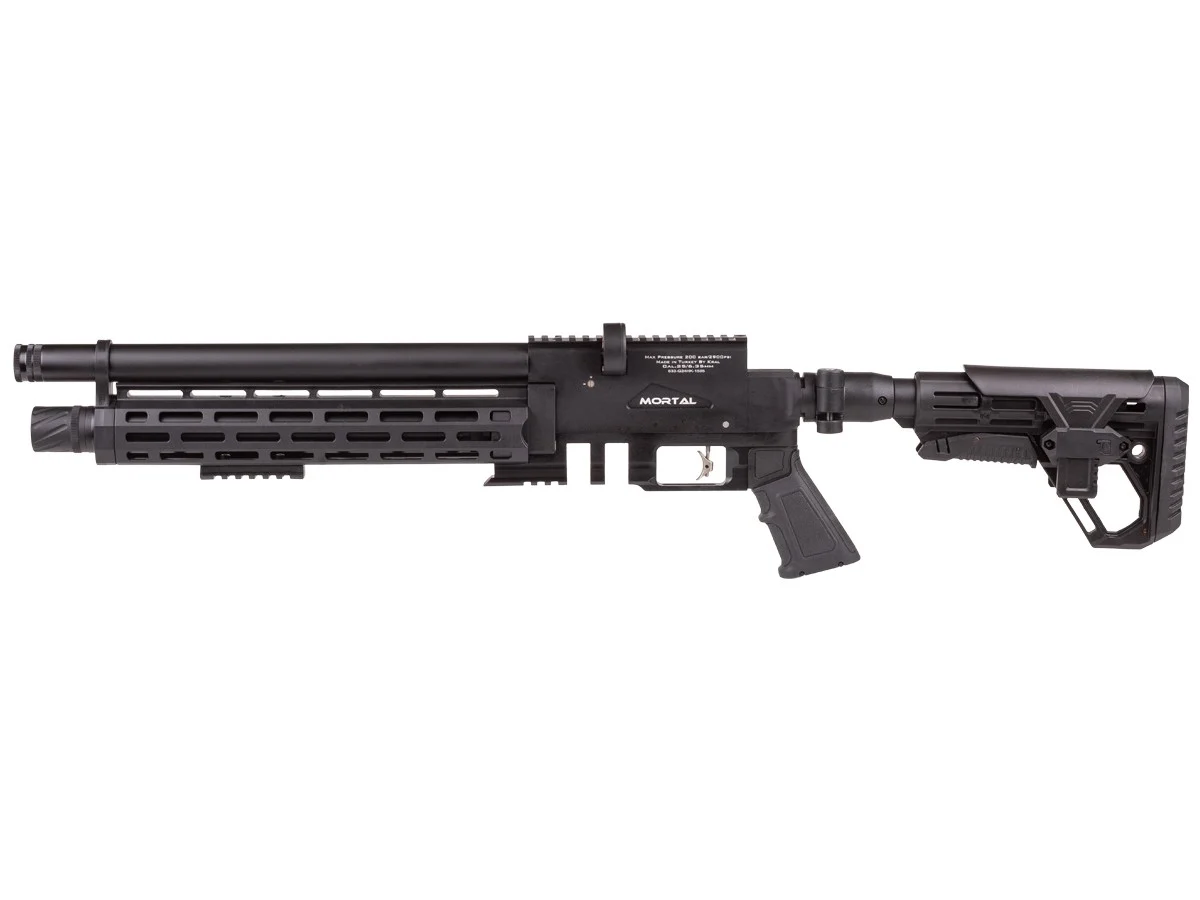
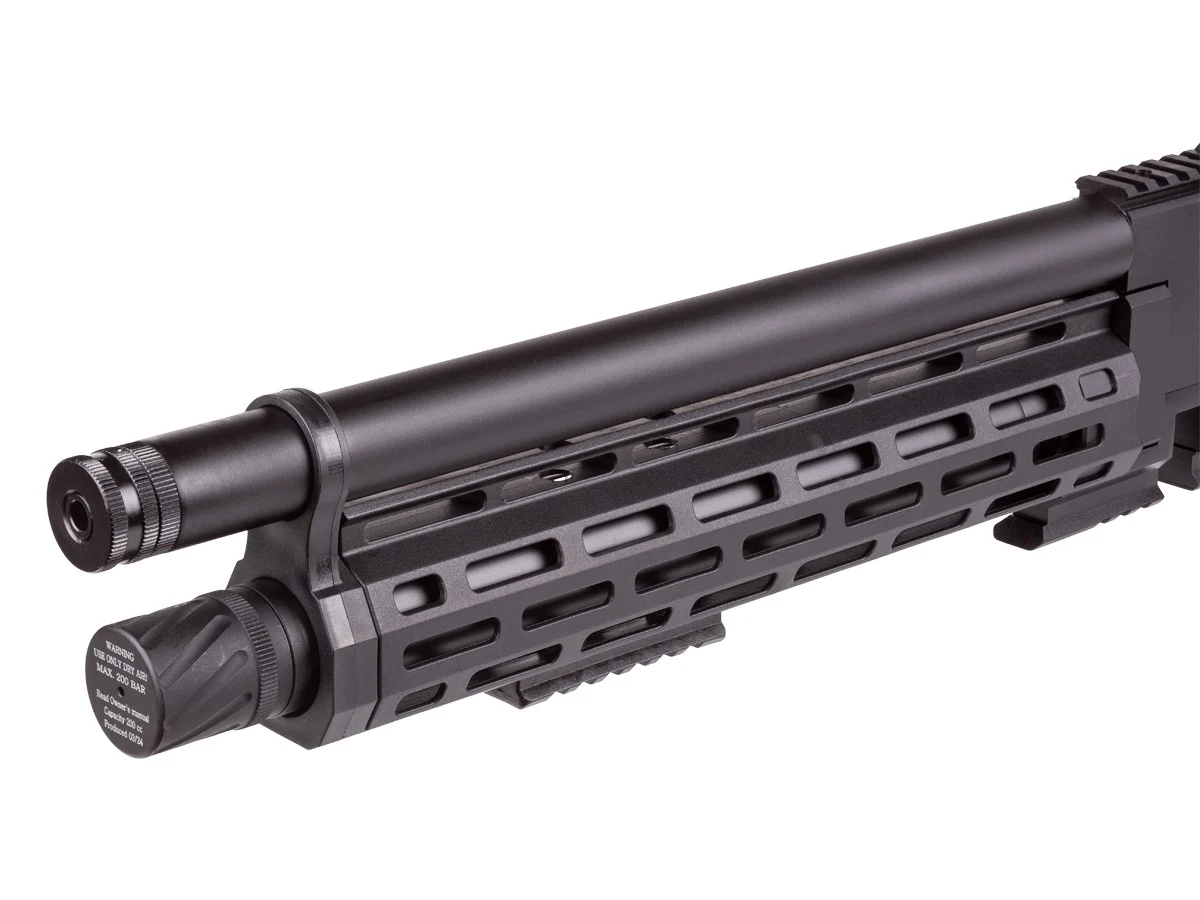
Kral Arms Puncher Mortal PCP Air Rifle
£500.00
Description
Kral Arms Puncher Mortal PCP Air Rifle: Ultimate Overview
The Kral Arms Puncher Mortal PCP Air Rifle sets a new standard in airgun performance. Combining precision engineering with user-friendly operation, this PCP (Pre-Charged Pneumatic) air rifle delivers consistent velocity, repeatable shot placement, and full control across a wide range of shooting scenarios. Whether for recreational plinking, target practice, or small-game hunting, the Puncher Mortal provides the perfect blend of power and accuracy.Kral Arms Puncher Mortal PCP Air Rifle
Engineered with high-quality materials and advanced mechanics, the rifle balances durability with lightweight handling. Every component, from the precision barrel to the feeding mechanism, is designed for consistent performance, smooth operation, and long-lasting reliability. The Puncher Mortal appeals to both newcomers seeking a reliable entry-level PCP and experienced shooters demanding a professional-grade air rifle.Kral Arms Puncher Mortal PCP Air Rifle
Kral Arms Puncher Mortal PCP Air Rifle Key Features at a Glance
-
Pre-Charged Pneumatic (PCP) System: Consistent air delivery ensures precise, repeatable shots.
-
Semi-Automatic and Full-Automatic Operation: Switch effortlessly between controlled single shots and rapid-fire bursts.
-
Ergonomic, Adjustable Stock: Customizable length-of-pull and cheek rest for a comfortable fit.
-
High-Capacity Magazine: Reduced reloads for longer uninterrupted shooting sessions.
-
Integrated Safety Systems: Manual safety, trigger locks, and magazine safety provide secure handling.
-
Durable Construction: Polymer and metal components create a rugged, long-lasting platform.
-
Accessory-Ready Rails: Picatinny rail system supports optics, bipods, and tactical attachments.
-
Versatile Applications: Ideal for target practice, competitive shooting, and controlled hunting.
Kral Arms Puncher Mortal PCP Air Rifle Who the Puncher Mortal is For
Beginners and Casual Shooters
The Puncher Mortal provides intuitive operation and built-in safety features, making it suitable for new shooters. Semi-auto mode encourages accurate shot placement while the full-auto option adds excitement once confidence grows. The adjustable stock and ergonomic grips create a comfortable shooting experience, reducing fatigue for long practice sessions.Kral Arms Puncher Mortal PCP Air Rifle
Kral Arms Puncher Mortal PCP Air Rifle Enthusiasts and Hobbyists
Airgun enthusiasts will appreciate the rifle’s consistency and versatility. The high-capacity magazine, smooth feeding, and adjustable stock allow for extended practice sessions with minimal interruptions. Shooters can pair the rifle with optics or other accessories to tailor performance for their preferred activity, whether plinking at a backyard range or participating in competitions.Kral Arms Puncher Mortal PCP Air Rifle
Competitive and Tactical Users
Advanced users benefit from the rifle’s engineering precision. Picatinny rails and accessory compatibility allow for rapid customization, while the balanced stock and smooth PCP operation support fast follow-up shots. Full-auto bursts and tight semi-auto groupings give competitors an edge during dynamic events, and the reliable performance ensures predictable outcomes shot after shot.
Performance Promise
The Puncher Mortal offers consistent muzzle energy and predictable trajectory. Its dual-mode firing system allows shooters to switch seamlessly between semi-auto and full-auto operation without sacrificing accuracy. Smooth feeding mechanisms and a high-capacity magazine reduce downtime, making extended shooting sessions practical and enjoyable.Kral Arms Puncher Mortal PCP Air Rifle
The rifle’s ergonomic design and balanced weight distribution minimize perceived recoil, enhancing control during rapid-fire sequences. Consequently, both casual users and advanced shooters experience reliable, repeatable performance in every session. With attention to every detail, the Puncher Mortal delivers the confidence necessary to focus on skill development and target mastery.Kral Arms Puncher Mortal PCP Air Rifle
Design and build: precision engineered for reliability and handling
Every design choice on the Kral Arms Puncher Mortal aims to balance durability, repeatable performance, and ergonomic comfort. Engineers matched materials, tolerances, and subsystem geometry so the rifle performs consistently under long sessions and varied conditions. Accordingly, users benefit from a platform that feels refined right out of the box and remains dependable after thousands of rounds.Kral Arms Puncher Mortal PCP Air Rifle
Materials and structural architecture
Kral Arms combines reinforced polymer with aluminum and selective steel components to create a lightweight yet rugged chassis. Polymer forms the external stock and grips, which reduces weight and dampens handling vibration. Meanwhile, aluminum alloy rails, receiver inserts, and bolt carriers supply stiffness where alignment matters most. For high-wear zones—such as magazine interfaces and fastener points—steel inserts prevent thread wear and deformation over time.Kral Arms Puncher Mortal PCP Air Rifle
Moreover, corrosion-resistant surface treatments protect metal parts. Anodizing on aluminum, and protective coatings on steel, help the rifle endure exposure to humidity and repeated handling. Consequently, maintenance intervals lengthen and the rifle retains a fresh, functional appearance after frequent use.Kral Arms Puncher Mortal PCP Air Rifle
Kral Arms Puncher Mortal PCP Air Rifle Barrel and accuracy-focused features
Barrel quality dictates practical accuracy more than cosmetic elements do. Kral Arms fits the Puncher Mortal with a precision-rifled barrel, machined and finished to tight tolerances that reduce variation between shots. Concentricity at the throat and muzzle remains a focus during assembly, which yields consistent points of impact when paired with quality pellets.
In addition, barrel mounting minimizes external stresses. A secure bedding system isolates the barrel from flexible areas of the stock, preserving alignment during rapid cycling and while adding accessories. For shooters who prioritize grouping performance, this attention to bore support and finish delivers meaningful gains in repeatability.
Feed system and magazine engineering
Feeding reliability separates good PCP rifles from great ones. Therefore, the Puncher Mortal’s magazine geometry undergoes precision shaping to guide pellets or BBs smoothly into the bolt face. Feed lips, ramp angles, and follower tension come matched to the recommended ammunition, which reduces misfeeds during full-auto bursts or rapid semi-auto follow-ups.Kral Arms Puncher Mortal PCP Air Rifle
Quick-change magazine designs speed reloads during sessions. A positive indexing mechanism confirms proper seating with an audible click and a tactile lock. Additionally, magazine bodies may use metal or reinforced polymer depending on variant; each choice balances weight and durability. For long-term reliability, serviceable followers and replaceable springs simplify maintenance without specialized tooling.
Action mechanics, valve system, and air management
Because this rifle is a PCP, its valve system and air management architecture are central to performance. Generally, a finely tuned valve delivers consistent volumes of air per shot, which shrinks velocity spreads across strings. Where present, a regulator flattens the pressure-to-velocity curve so you enjoy predictable energy delivery from the first shot to the last within the regulator window.
Furthermore, bolt design emphasizes low mass and smooth travel to enable fast cycling. Hardened sear surfaces reduce wear, and balanced return springs help the action recover quickly between shots. For users who chronograph their rifles, this design translates into narrower FPS standard deviations and steadier holdovers at common engagement distances.Kral Arms Puncher Mortal PCP Air Rifle
Ergonomics: stock, grip, and human factors
Comfort and control improve accuracy more than many shooters expect. Kral Arms equips the Puncher Mortal with an adjustable stock that supports length-of-pull changes and cheekpiece height adjustment. As a result, shooters of varying sizes achieve proper eye-to-sight alignment rapidly.Kral Arms Puncher Mortal PCP Air Rifle
Textured gripping surfaces prevent slippage without being abrasive to the skin. Meanwhile, subtle palm swells and thumb ledges encourage a natural, repeatable hold that reduces muscle fatigue during long strings. Designers place weight so that the center of mass sits near the shooter’s hands; consequently, transitions between targets feel quick and balanced rather than front-heavy or awkward.
Controls, user interface, and ergonomically placed safeties
Practical controls help you operate the rifle confidently and quickly. The safety lays within easy thumb reach for right- or left-handed users on many variants, and engagement positions include positive detents so you can confirm status by feel. Magazine releases and bolt handles require deliberate input to avoid accidental actuation, yet they remain fast to use during live sessions.
Moreover, trigger geometry often includes a comfortable shoe and a predictable break. Some models allow limited trigger adjustments within manufacturer guidelines; however, refrain from exceeding specified settings because safety and reliability depend on proper sear engagement.
Kral Arms Puncher Mortal PCP Air Rifle Rail systems and accessory compatibility
For mission flexibility, Picatinny rails run along the receiver and frequently on the forend. These rails accept a wide variety of optics, red-dots, bipods, and foregrips without adapters. Since accessory mass affects balance, pick mounting solutions that preserve the rifle’s intended handling. Lightweight optics, low-profile mounts, and slim bipods typically give the best blend of speed and stability.
Some configurations include M-LOK or additional modular slots for modern accessory mounting. In practice, that means you can evolve your setup as needs change—add a scope for target work or attach a red-dot and foregrip for dynamic shooting—without lengthy rework.Kral Arms Puncher Mortal PCP Air Rifle
Kral Arms Puncher Mortal PCP Air Rifle Fit, finish, and manufacturing tolerances
Tight tolerances and consistent assembly practices matter more than flashy paint. Kral Arms enforces quality checks for bore alignment, magazine seating, and safety engagement before shipping. Surfaces receive finishes that resist scratching and environmental wear, and polymer parts use UV-stable compounds to prevent color degradation.
Consequently, user complaints about looseness, wobble, or premature wear tend to be rare. Where issues arise, accessible fasteners and modular panels simplify factory-authorized repairs or upgrades.
Weight, balance, and handling trade-offs
Designers balance mass to dampen perceived recoil while keeping the rifle light enough for comfortable carry. A slightly forward balance helps stabilize rests and bipod use, whereas a centered mass assists quick shoulder-to-shoulder movement. Accessories will shift that balance; thus, plan your configuration based on expected activity—long-range bench sessions or mobile plinking runs.
Durability and environmental protection
The Puncher Mortal resists the elements through smart material choices and protective finishes. Critical metal components benefit from anodizing or corrosion-resistant coatings, and polymer parts include additives for impact resistance. For users shooting in damp or coastal areas, this level of protection reduces long-term maintenance burdens and preserves performance under adverse conditions.
Practical implications: how design choices affect ownership
-
Less maintenance overhead: Steel inserts and protective finishes reduce the frequency of part replacement.
-
Better long-term accuracy: Precision barrel mounting and tight tolerances preserve grouping over time.
-
Reliable rapid fire: Carefully tuned feed geometry minimizes jams during bursts.
-
User-friendly setup: Adjustable ergonomics mean more shooters can enjoy a dialed-in fit quickly.
-
Accessory flexibility: Standard rails simplify upgrades and allow cross-compatibility with common optics and grips.
Performance and firing dynamics: real-world behavior and how to exploit it
The Puncher Mortal’s PCP architecture and engineered feed system produce tight shot-to-shot consistency, which matters more than raw numbers when it comes to real-world accuracy. Because the system meters compressed air precisely each cycle, expect relatively stable muzzle velocities across a string of shots — especially on regulated variants. In consequence, predictable ballistics allow simpler holdovers and more effective tuning.
Velocity, energy, and what they mean for you
Velocity (fps) and muzzle energy (ft·lb or J) define terminal performance, but neither tells the whole story by itself. Lighter pellets travel faster yet lose energy quicker; heavier pellets carry more downrange force but require aiming compensation for drop. Therefore:
-
Choose pellet weight to match the task: lighter for flatter trajectory at short range; heavier for penetration and stability at mid-range.
-
Use a chronograph to measure your individual rifle; factory claims vary and real units differ slightly.
-
Note that regulated PCPs show tighter velocity spreads, which produces smaller vertical string shifts when firing multiple shots.
Because environmental factors affect light projectiles strongly, always log chronograph data alongside temperature and wind conditions. Over time, those logs reveal the pellet and pressure combinations that give you the tightest groups.
Effective range and accuracy envelopes
Define your working range before optimizing your setup. The Puncher Mortal excels at short-to-medium engagement distances typical of most recreational, pest-control, and competition scenarios. Practical guidance:
-
0–25 m: expect the best repeatable accuracy for most pellet types. Small-target precision and tight groups are achievable with a good rest and a quality pellet.
-
25–40 m: performance remains useful; heavy, high-BC pellets suffer less wind drift and maintain better downrange energy.
-
40 m+: results depend heavily on pellet selection, muzzle energy, and conditions. Use specialized pellets and careful holdover compensation for consistent hits.
A steady rest and a well-zeroed optic maximize the rifle’s potential at any chosen range, reducing human error so you can evaluate the rifle’s inherent accuracy.
Shot-to-shot consistency and string behavior
String behavior describes how the rifle’s velocity and impact point change over a sequence of shots after a fill. The Puncher Mortal typically shows one of two patterns:
-
Flat string — near-constant velocity across many shots; ideal and common on regulated variants.
-
Regulated plateau — consistent velocity within a pressure window, followed by tail-off as tank pressure drops below regulator operating range.
To exploit consistency, identify your rifle’s best operating window through chronographing and plan your session around the usable shot count in that window. For example, if the rifle holds steady for 40 shots after a fill, stop and refill before starting another timed match or hunting shift.
Recoil, perceived recoil, and follow-up control
PCP rifles generally produce modest recoil relative to powder firearms, yet perceived muzzle movement still affects follow-up accuracy. The Puncher Mortal’s chassis design and mass distribution help damp perceived recoil, which aids rapid fire and micro-burst accuracy. Practical control techniques include:
-
Maintain firm but relaxed shoulder and cheek contact to let the stock absorb energy consistently.
-
Use a slight forward-lean stance for better follow-up control in standing positions.
-
Prefer one-to-three round bursts in full-auto or rapid-play scenarios; sustained holds tend to widen groups.
Pairing a low-magnification red dot with a steady foregrip yields some of the fastest, most accurate follow-ups in dynamic shooting.
Trigger characteristics and how to exploit them
A crisp trigger break coupled with a short, predictable reset supports accurate semi-auto follow-ups. If your model allows safe, manufacturer-recommended trigger adjustments, tune pull weight and creep reduction modestly to improve precision. Practice dry-fire trigger reset drills to internalize the feel without wasting shots or pressuring the air system.
Pellet selection and ammunition advice
Pellet choice influences grouping, barrel fouling, and feeding reliability. Follow these practical rules:
-
Use high-quality, matched-diameter pellets from reputable brands. Avoid damaged or corroded pellets.
-
Test at least three pellet types and log group sizes, velocities, and perceived feeding reliability. Determine the pellet that yields the tightest groups in your rifle, not the one with the best advertised specs.
-
Store pellets in a cool, dry place to prevent deformation and oxidation. Humidity and temperature swings reduce consistency.
-
When switching pellet types, re-zero optics and re-check point-of-impact on paper or steel targets.
For variants that accept BBs and pellets, choose the projectile that fits your use-case and stick with it during match or session windows to remove a variable from your performance equation.PCP airgun
Environmental factors: wind, temperature, humidity
Environmental conditions change projectile behavior. Wind introduces lateral drift that grows with range; temperature affects air density and therefore velocity slightly; humidity has minimal ballistic impact but correlates with pellet oxidation risk. Tips:
-
On windy days, move to shorter ranges or use heavier pellets that resist drift.
-
In cold weather, expect slightly reduced velocities; chronograph if consistency matters.
-
Shoot in calm conditions when testing or zeroing to remove environmental noise from your data.
Fill pressure, regulators, and tuning
PCP performance depends on initial fill pressure and any regulator installed. For best results:
-
Fill daily to the recommended pressure and monitor regulator operation if present.
-
If you chronograph, test strings at multiple fill pressures to identify the regulator plateau and optimal fill level for consistent shots.
-
Replace or service O-rings, gauges, and fill fittings at recommended intervals; leaks cause velocity drifts and inconsistent behavior.
Regulated systems reduce tuning headaches; however, they add complexity and require proper maintenance.
Practical drills to extract performance
Here are structured drills that turn theory into reliable shooting skill:
-
Micro-burst grouping: Load and fire one- to three-shot bursts on a small target at 10–15 m. Track group size and reduce burst length as group tightens.
-
Semi-auto precision ladder: From 10 m to 25 m, fire five single-shot groups at incremented distances. Adjust sighting and note pellet performance.
-
Rapid transition exercise: Start on a close target with semi-auto, take two precise shots, then switch to a secondary target and deliver a controlled full-auto burst. This builds mode-switch agility.
-
Chronograph session: Run 20–40-shot strings and record FPS. Identify plateau and tail-off, then use that data to set expected usable shot count per fill.
-
Wind hold practice: On a slightly breezy day, intentionally vary your left/right aim to learn hold compensation at typical engagement distances.
Log results systematically — date, pellet, fill pressure, group sizes, average and SD of FPS — to build a repeatable recipe for success.Kral Arms Puncher Mortal PCP Air Rifle
Kral Arms Puncher Mortal PCP Air Rifle Troubleshooting performance dips
If you notice inconsistent groups or velocity swings, work through this checklist:
-
Verify pellet quality and diameter uniformity.
-
Confirm fill pressure and gauge accuracy; look for leaks and worn O-rings.
-
Clean the barrel to remove fouling that spoils groups.
-
Check magazine feed lips and follower tension; replace weak springs.
-
Inspect regulator function if installed; a failing regulator causes variable velocities.
-
Ensure optics are secure and mounts haven’t shifted between strings.
Addressing these areas usually restores the rifle’s intended consistency and accuracy.Kral Arms Puncher Mortal PCP Air Rifle
Additional information
| Caliber | .22 (5.5mm), .25 (6.35mm) |
|---|
Related products
-

-
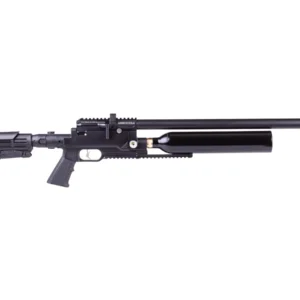
Kral Arms Puncher Jumbo Dazzle PCP Air Rifle
£470.00Select options This product has multiple variants. The options may be chosen on the product page -
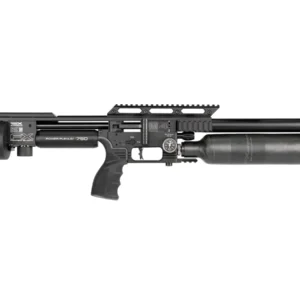
FX Impact M4 PCP Air Rifle
Price range: £1,200.00 through £1,600.00Select options This product has multiple variants. The options may be chosen on the product page -
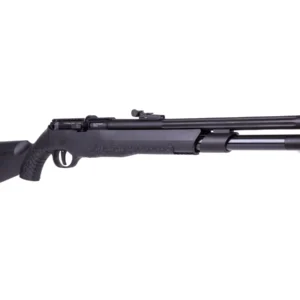
JTS AirStryke PCP Air Rifle
£139.00Select options This product has multiple variants. The options may be chosen on the product page
Reviews
There are no reviews yet.