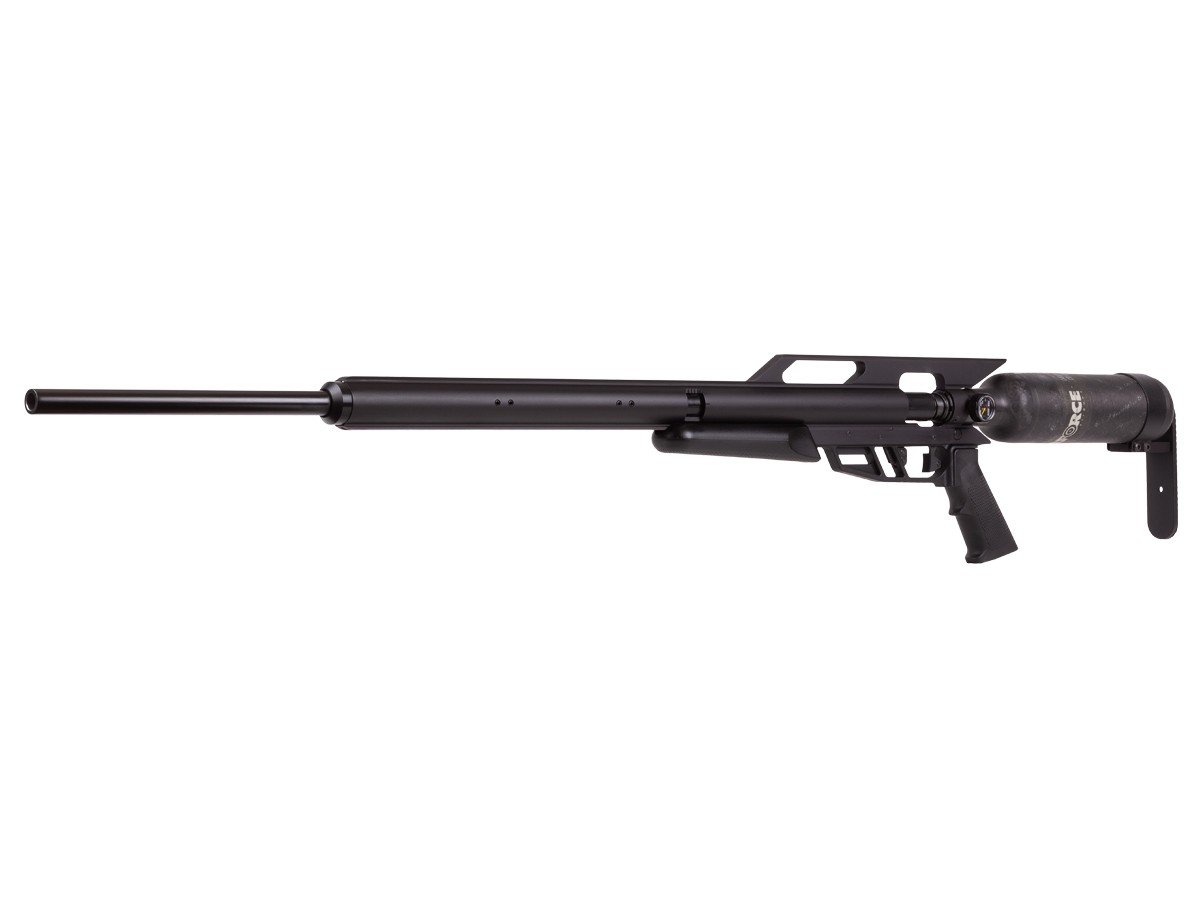
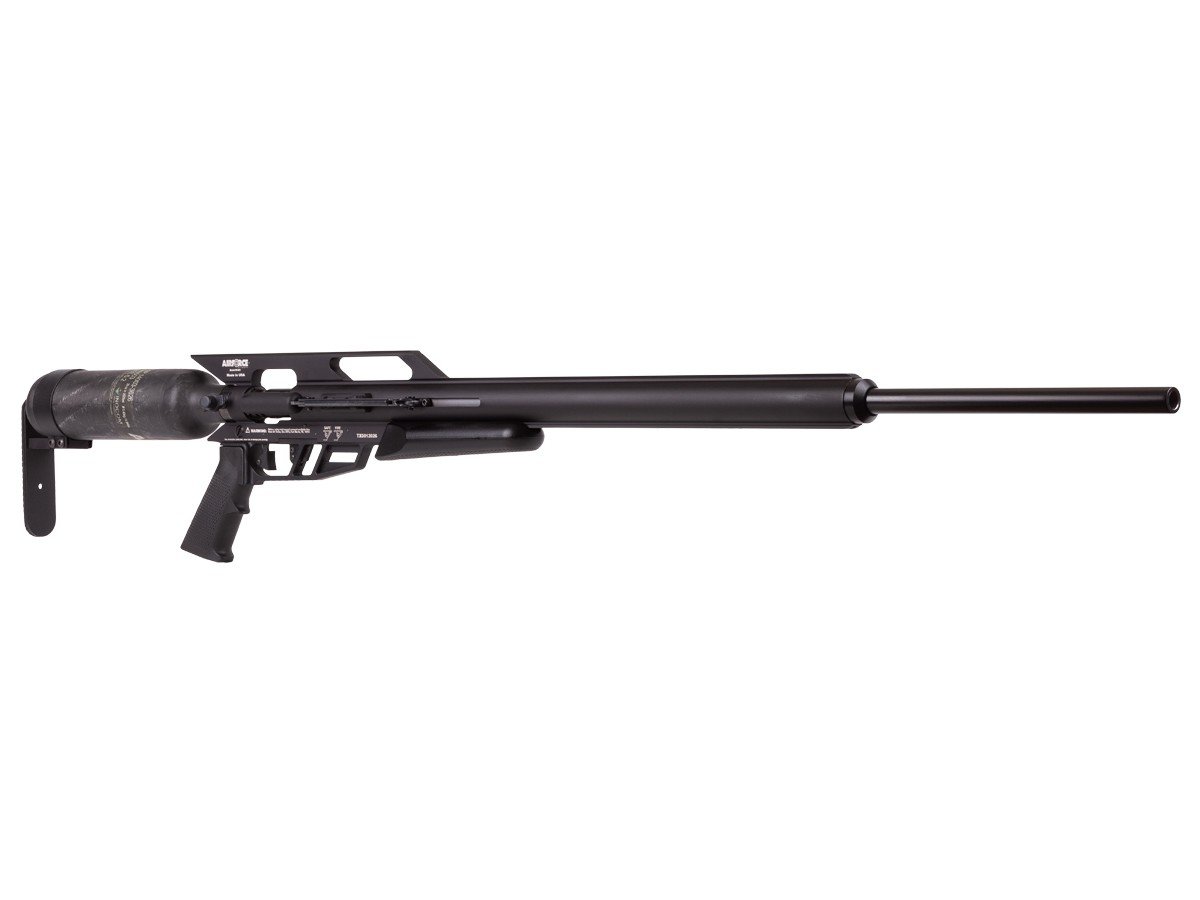
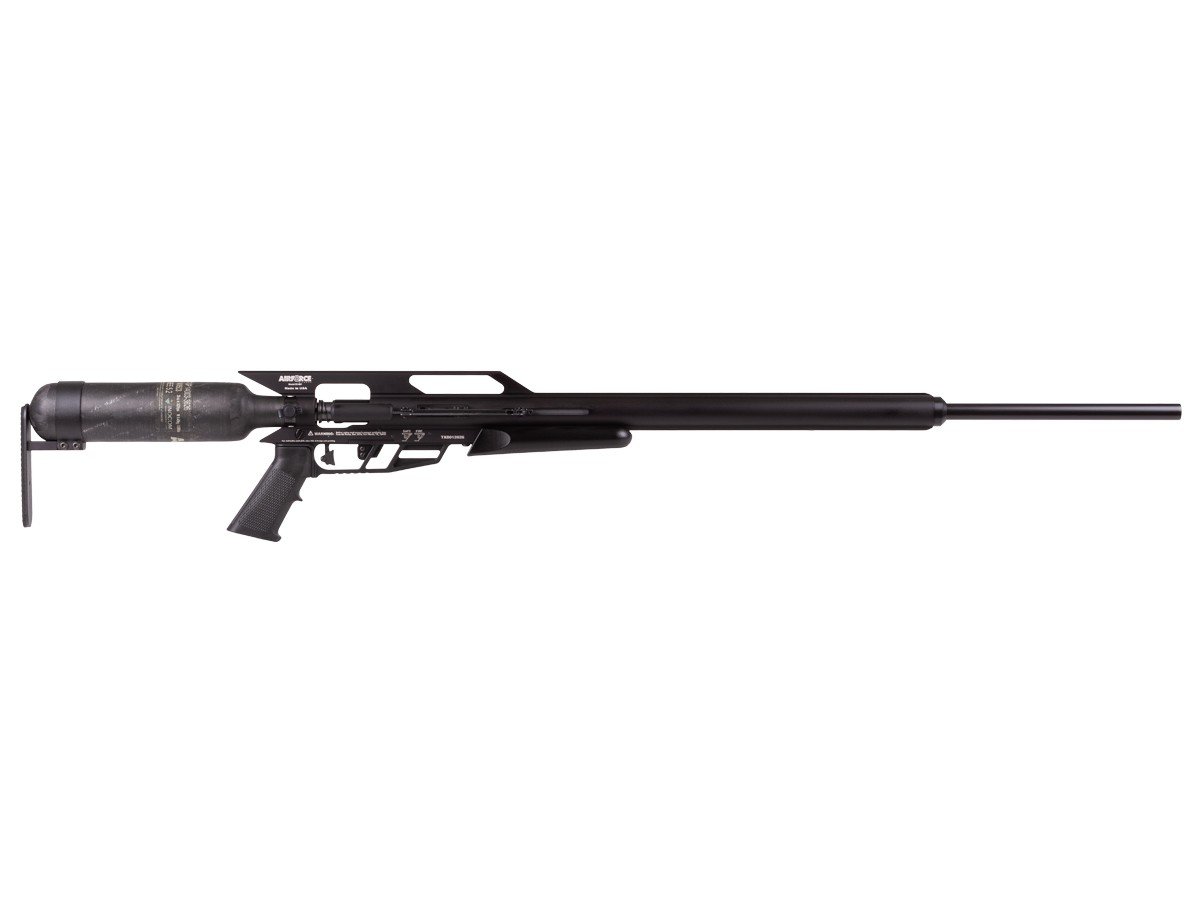
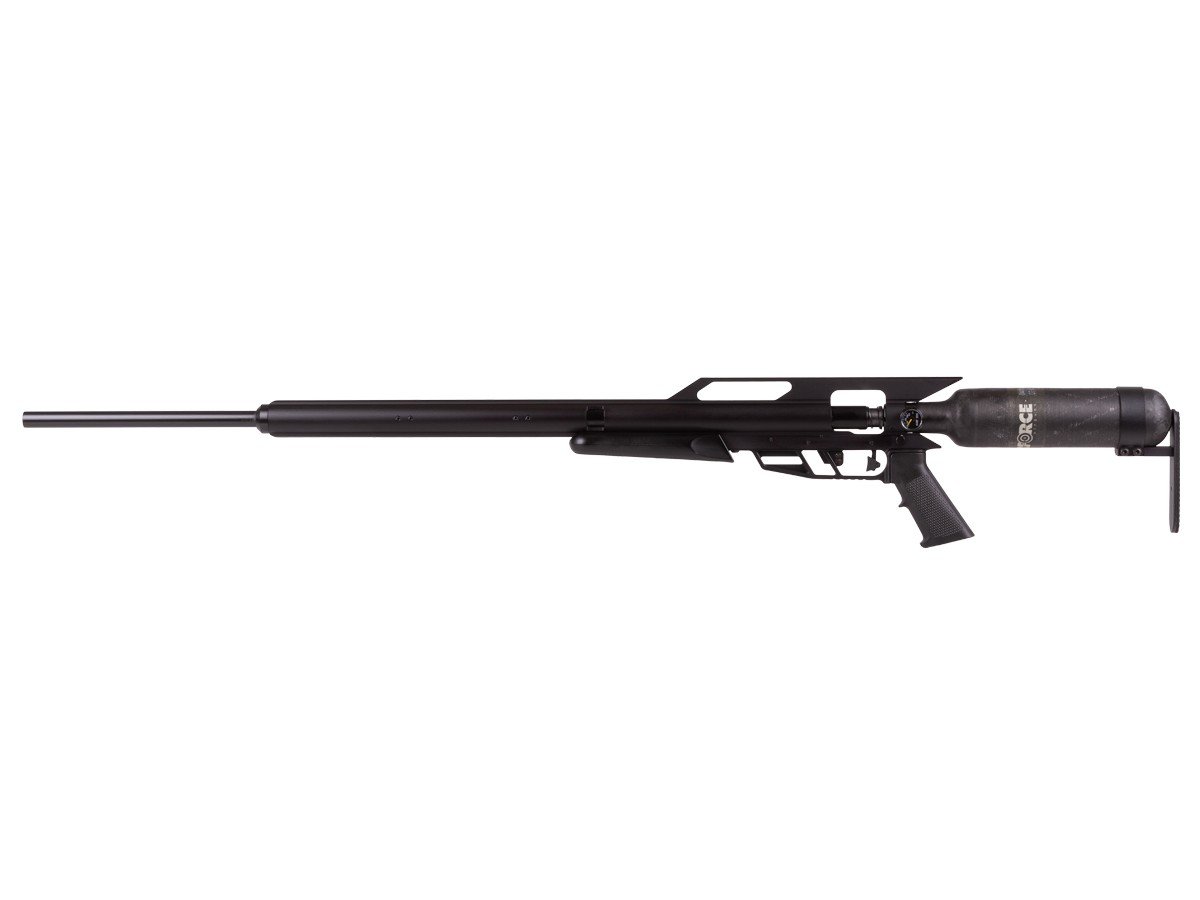
AirForce Texan Carbon-Fiber Tank
£700.00
Description
AirForce Texan Carbon-Fiber Tank
The AirForce Texan Carbon-Fiber Tank represents the pinnacle of precision engineering for airgun enthusiasts. Designed with meticulous attention to detail, this tank combines lightweight carbon-fiber construction with unmatched durability. Whether you are a competitive shooter, a dedicated hunter, or a weekend marksman, it delivers superior performance without compromise.
Every aspect of the AirForce Texan Carbon-Fiber Tank is engineered to enhance your shooting experience. From its sleek, reinforced design to its advanced pressure handling capabilities, it ensures each shot is consistent, powerful, and reliable. Transitioning to carbon-fiber not only reduces weight but also increases mobility, making long shooting sessions more comfortable and enjoyable.
-
Lightweight and durable: Easier handling without sacrificing structural integrity
-
High-pressure tolerance: Delivers consistent performance for extended use
-
Optimized for AirForce rifles: Perfectly compatible with Texan and other models
Shooting with the AirForce Texan Carbon-Fiber Tank transforms your approach to accuracy. Every trigger pull feels smoother, every shot hits with confidence, and every session becomes more productive. By integrating cutting-edge materials, it ensures that your airgun operates at peak efficiency while reducing fatigue and handling effort.
Why Choose Carbon-Fiber Tanks?
When selecting a tank for your AirForce Texan, the material matters just as much as the design. Carbon-fiber tanks have transformed the airgun world by offering a remarkable combination of lightweight construction, enhanced durability, and exceptional performance. Compared to traditional steel or aluminum tanks, carbon-fiber tanks reduce overall weight while maintaining strength under high pressure. This reduction directly benefits shooters, providing greater control, less fatigue, and a more consistent shooting experience.
Lightweight Design for Effortless Handling
Switching to carbon-fiber dramatically changes the feel of your air rifle. Traditional steel tanks can be cumbersome, especially during extended sessions or hunting expeditions. In contrast, the AirForce Texan Carbon-Fiber Tank offers:
-
Significantly lower weight without compromising pressure tolerance
-
Better balance for smoother aiming and steadier shots
-
Easier transport during long-range shooting or field use
With reduced weight, shooters can focus more on precision and less on handling strain. Whether moving between shooting positions or carrying the rifle for extended periods, carbon-fiber tanks provide unmatched comfort.
Durability That Withstands Extreme Conditions
Carbon-fiber is renowned for its strength-to-weight ratio. It offers superior resistance to dents, scratches, and impact damage compared to conventional steel tanks. The AirForce Texan Carbon-Fiber Tank is engineered to endure rigorous use, including:
-
High-pressure tolerance for consistent power
-
Resistance to corrosion even in humid or wet conditions
-
Long-lasting performance, reducing replacement costs
Because of these qualities, shooters can confidently rely on the tank for years of consistent, high-performance use. Transitioning to carbon-fiber is not just a preference; it is a strategic investment in longevity and reliability.
Enhanced Performance and Accuracy
Carbon-fiber tanks improve more than just weight and durability—they enhance your overall shooting performance. The AirForce Texan Carbon-Fiber Tank optimizes air delivery, ensuring each shot maintains velocity and consistency. Key performance advantages include:
-
Stable pressure regulation for precise shot-to-shot consistency
-
Improved velocity control, allowing accurate targeting at longer ranges
-
Reduced recoil effect, enhancing overall control and shooter comfort
By delivering predictable power and minimizing fluctuations, carbon-fiber tanks elevate the shooting experience, especially in competitive or long-distance scenarios.
Eco-Friendly and Cost-Effective
While carbon-fiber might seem like a premium option, its long lifespan and reduced maintenance make it an economical choice in the long term. Fewer replacements, lower transportation energy due to lighter weight, and durability reduce environmental impact compared to heavier steel tanks. The AirForce Texan Carbon-Fiber Tank aligns with both performance goals and sustainability considerations.
Technical Specifications of the AirForce Texan Carbon-Fiber Tank
Understanding the technical specifications of the AirForce Texan Carbon-Fiber Tank is essential for making an informed decision. Every detail—from dimensions to pressure ratings—has been engineered to maximize performance, durability, and reliability. This section provides an in-depth breakdown of the tank’s features, ensuring you know exactly what you are investing in.
Premium Carbon-Fiber Construction
The tank’s body is made entirely from high-grade carbon-fiber composite materials. This choice not only reduces weight but also enhances structural integrity. Carbon-fiber resists fatigue and corrosion, making it ideal for prolonged use in varied environmental conditions. The lightweight nature of the tank improves handling without sacrificing strength, allowing shooters to experience both comfort and control.
Key Carbon-Fiber Features:
-
Ultra-lightweight composite construction
-
Exceptional strength-to-weight ratio
-
High resistance to impact, dents, and scratches
-
Corrosion-resistant for longevity
-
Eco-friendly and durable material
Dimensions and Capacity
The AirForce Texan Carbon-Fiber Tank is designed for optimal compatibility with AirForce Texan rifles while maintaining a sleek, ergonomic profile.
-
Length: 24 inches (610 mm)
-
Diameter: 3 inches (76 mm)
-
Capacity: 450 cubic inches (7.37 liters)
-
Weight (Empty): 3.5 lbs (1.6 kg)
These dimensions strike the perfect balance between portability and capacity, ensuring ample air supply for extended shooting sessions while remaining easy to maneuver.
Pressure Ratings and Safety Margins
Safety is paramount when dealing with high-pressure air tanks. The AirForce Texan Carbon-Fiber Tank is rigorously tested and rated for high-pressure operation:
-
Maximum Fill Pressure: 3,000 PSI (207 bar)
-
Working Pressure: 2,500 PSI (172 bar)
-
Burst Pressure: 6,000 PSI (414 bar)
These specifications provide a significant safety margin, ensuring reliable performance under rigorous use while adhering to industry safety standards.
Valve and Connection System
The tank includes a precision-engineered valve system to ensure safe and consistent air delivery. Its user-friendly design facilitates fast installation and detachment without specialized tools.
-
High-flow valve for rapid air transfer
-
Standard AirForce fitting for compatibility with Texan rifles
-
Integrated safety features to prevent over-pressurization
-
Durable sealing components for leak-free performance
Performance Metrics
Performance is a critical aspect of the AirForce Texan Carbon-Fiber Tank. Each tank is engineered to optimize air storage and delivery, resulting in consistent power for every shot:
-
Stable air flow for consistent velocity
-
Reduced shot-to-shot variation
-
Enhanced efficiency, allowing more shots per fill
-
Lightweight design for improved handling and reduced shooter fatigue
Additional Technical Highlights
-
Finish: Matte carbon-fiber with UV protection
-
Temperature Range: Operates efficiently from -10°C to 50°C (14°F–122°F)
-
Warranty: 5-year limited manufacturer warranty
Performance and Accuracy Enhancements
The AirForce Texan Carbon-Fiber Tank is not only a marvel of engineering but also a game-changer in shooting performance. Its advanced carbon-fiber construction directly contributes to enhanced accuracy, consistent velocity, and overall reliability. Every feature is designed to ensure shooters experience maximum precision and efficiency during every session.
Consistent Air Delivery for Precision
One of the most significant benefits of the AirForce Texan Carbon-Fiber Tank is its ability to provide stable air pressure with every shot. Unlike conventional steel tanks, the carbon-fiber design maintains consistent performance even under rapid firing conditions.
-
Uniform air flow minimizes velocity variation
-
Predictable shot-to-shot performance enhances accuracy
-
Optimal pressure retention extends the number of effective shots per fill
By ensuring each shot receives the same level of force, shooters gain confidence in their aim and can make precise adjustments without worrying about air fluctuation.
Enhanced Velocity and Power
The advanced construction of the carbon-fiber tank contributes directly to improved shot velocity. Its lightweight structure reduces the overall strain on the rifle, allowing the shooter to maintain steadiness and aim with greater control. Key performance improvements include:
-
Higher initial shot velocity, maximizing impact potential
-
Extended range capability due to consistent air release
-
Reduced recoil effects, improving comfort and follow-through
These enhancements are particularly beneficial for long-range shooting, where maintaining velocity and trajectory is crucial for hitting targets accurately.
Improved Handling and Control
Lightweight carbon-fiber construction allows for better balance and maneuverability, which directly affects shooting accuracy. The AirForce Texan Carbon-Fiber Tank reduces fatigue during prolonged use, allowing shooters to maintain steadier positioning and precise aim.
-
Reduced overall rifle weight, enhancing mobility
-
Balanced design, improving handling and sight alignment
-
Less arm strain, enabling longer sessions without discomfort
Smooth handling means you can focus entirely on technique and target acquisition rather than compensating for the weight of traditional tanks.
Optimized for Competitive and Tactical Use
Whether in a competitive shooting environment or tactical applications, the AirForce Texan Carbon-Fiber Tank provides measurable advantages. Its combination of consistent pressure, lightweight design, and structural integrity ensures that each shot performs exactly as intended.
-
Precision engineered for repeatable accuracy
-
Stable air supply, even under rapid-fire conditions
-
Enhanced ergonomics for professional or recreational use
By relying on a carbon-fiber tank, shooters experience fewer interruptions caused by inconsistent pressure or fatigue, making it ideal for tournaments, competitions, or extended field use.crosman m1 full auto
Additional Performance Features
-
Quick refill compatibility with standard AirForce fill stations
-
Integrated safety features for worry-free operation
-
Long-lasting efficiency, reducing the need for frequent replacements
Compatibility and Integration
Fitting the AirForce Texan Carbon-Fiber Tank into your setup should feel seamless, not like a retrofit puzzle. Designed with AirForce rifles and common high-performance airgun platforms in mind, this tank offers broad compatibility while still allowing for custom configurations. Below, you’ll find clear guidance on which models pair best, what adapters you might need, and step-by-step integration tips so that installation is safe, fast, and effective.crosman m1 full auto
What it fits (quick compatibility guide)
The AirForce Texan Carbon-Fiber Tank was engineered primarily for AirForce Texan owners, yet its valve interface and profile make it suitable with several related systems:
-
AirForce Texan — Native fit and optimized performance.
-
AirForce Condor / Condor SS — Compatible with standard AirForce fittings; may require slight spacing adjustments for certain stock shapes.
-
AirForce Talon (with Texan-style conversion kits) — Works when used with the appropriate adapter kits that match thread and valve dimensions.
-
Custom PCP platforms — Frequently compatible provided the rifle accepts an external tank with standard AirForce-style valve fittings; verify thread and clearance first.spring powered bb pistol
Before purchasing or installing, confirm your rifle’s valve pitch and clearance measurements. If your firearm uses a non‑standard valve or proprietary mounting bracket, you will likely need an adapter or a custom bracket to achieve a secure, leak-free fit.spring powered bb pistol
AirForce Texan Carbon-Fiber Tank Valve, threads, and adapters — what to check
Compatibility often hinges on three small but critical details: valve type, thread pattern, and mounting clearance. Check each of the following points:
-
Valve standard: The tank ships with a high-flow AirForce‑style valve.
-
Thread pitch: Typical fittings use common AirForce thread standards; however, some older or custom builds use different pitches.
-
Clearance: Verify stock and barrel clearance so the tank does not contact the fore-end, rail mounts, or bipod.
-
Adapters: Where mismatch exists, use manufacturer-recommended adapters rather than improvised fittings.
If you are unsure about your rifle’s specifics, photograph the valve area and consult a trusted gunsmith or the AirForce support community. Doing so prevents costly mistakes and preserves warranty coverage.
Integration scenarios and recommended approaches
Different setups demand distinct approaches. Below are common scenarios and recommended steps for each.
Native AirForce Texan installation (most straightforward)
-
Place the rifle on a safe, stable work surface and ensure it is unloaded.
-
Confirm the tank and valve are at ambient pressure (empty if possible) before handling.
-
Align the tank’s valve with the rifle’s tank mount and thread the coupling by hand until snug.
-
Use only the torque recommended by the manufacturer; overtightening risks damage to seals.
-
After installation, perform a leak check using soapy water or a manufacturer-approved leak detector.
-
Fill to working pressure per the tank’s rating and conduct a function test with a safe target and ear protection.
Condor / Condor SS with stock clearance concerns
-
When the stock geometry interferes with the tank’s profile, fit a thin spacer or use a low-profile bracket to create the needed offset.
-
Ensure any spacer is rated for pressure-bearing applications; non-pressure-rated materials can cause failure under load.
-
After spacing adjustments, repeat the leak and function tests described above.
AirForce Texan Carbon-Fiber Tank Custom PCP or third-party rifles
-
Confirm the rifle’s regulator and valve system can safely accept a tank with the Texan tank’s pressure characteristics.
-
If a regulator re-tuning is required, have the work done by a qualified technician.
-
For unique thread pitches, order factory or certified adapter fittings; never force mismatched threads.
Tools, parts, and supplies you’ll need
Successful integration usually requires a small kit of tools and consumables. Gather the following items before you begin:
-
Torque wrench with the appropriate socket (follow manufacturer torque spec).
-
Thread-safe lubricant or anti-seize recommended by the tank manufacturer.
-
Leak detection solution (soapy water or commercial leak detector).
-
Pressure gauge or fill station compatible with the tank’s maximum fill pressure.
-
Manufacturer-approved adapter fittings when necessary.
-
Nitrile gloves and eye protection for safe handling.
Using correct tools and parts minimizes the chance of leaks, cross-threading, and stress damage.
AirForce Texan Carbon-Fiber Tank Safety warnings and best practices
Safety must remain the top priority whenever you integrate a high-pressure tank into a rifle. Observe the following precautions:
-
Always work in a well-ventilated area away from open flames.
-
Do not exceed the tank’s specified maximum fill pressure (3,000 PSI).
-
Never attempt to force mismatched threads; stop and obtain the correct adapter.
-
Avoid using worn or damaged O‑rings; replace seals with OEM‑spec parts if any damage appears.
-
When in doubt, consult an experienced gunsmith or the tank manufacturer for guidance.
Following these practices reduces risk while preserving the tank’s warranty and longevity.
AirForce Texan Carbon-Fiber Tank Tuning tips after installation
Once fitted, a few adjustments will help you squeeze maximum performance from the system:
-
Regulator check: Verify regulator output to ensure consistent velocity across the full shot string.
-
Shot count testing: Fire a measured string at working pressure to chart consistency and determine the rifle’s effective shot window.
-
Balance adjustments: If balance shifts noticeably, consider repositioning accessories or using a short spacer to fine-tune the center of gravity.
-
Routine maintenance schedule: Set calendar reminders for periodic leak checks and seal inspections.adult pellet guns
AirForce Texan Carbon-Fiber Tank Safety Features and Maintenance
Safety and proper maintenance are non-negotiable with any high-pressure component. The AirForce Texan Carbon-Fiber Tank combines engineered safety features with straightforward maintenance routines so that you can shoot confidently, responsibly, and for many years. Below, you’ll find detailed safety features, step‑by‑step maintenance procedures, recommended service intervals, and troubleshooting advice — all written to help you protect both yourself and your investment.AirForce Texan Carbon-Fiber Tank
adult pellet guns Built‑in Safety Features
The tank integrates multiple passive and active safety elements designed to reduce risk and prevent failure:
-
High‑strength carbon‑fiber shell that resists impact and resists crack propagation.
-
Overpressure burst margin: design and testing provide a wide safety factor between working pressure and burst pressure.
-
Precision safety valve and seal architecture to minimize the chance of leaks or uncontrolled discharge.
-
Durable endcap and valve housings that protect critical interfaces from mechanical damage.
-
UV and temperature‑resistant finish to reduce material degradation from sunlight and environmental exposure.
These features work together so that, even under heavy use, the tank maintains structural integrity and predictable behavior.AirForce Texan Carbon-Fiber Tank
AirForce Texan Carbon-Fiber Tank Pre‑Use Safety Checklist
Before every session, run this quick checklist to confirm the tank and rifle are safe to operate:
-
Visual inspection: Look for obvious damage — dents, deep scratches, discoloration, or delamination.
-
Valve and seal check: Confirm O‑rings appear intact and that the valve threads show no corrosion or cross‑threading.
-
Leak test: After fitting the tank, apply a soapy water solution or approved leak detector to joints; watch for steady bubbles.
-
Pressure confirmation: Verify fill station and tank gauge readings are within working pressure limits (do not exceed 3,000 PSI).
-
Regulator function: If your rifle uses a regulator, ensure it is operating and set to the manufacturer’s recommended output.
If any step reveals a concern, stop and resolve the issue before firing.
Routine Maintenance Schedule
Establishing a routine prevents surprises and keeps performance consistent. Follow these recommended intervals:
-
Before every use: Visual inspection, valve check, leak test, pressure confirmation (see checklist above).
-
Monthly (if used frequently): Full exterior cleaning, inspection of mounting hardware, and verification of regulator output.
-
Every 6 months: Remove the tank (when empty), inspect internal surfaces and valve components (if user‑serviceable), replace O‑rings as necessary, and reapply thread lubricant per manufacturer guidance.
-
Annually: Professional inspection by an AirForce‑authorized service center or qualified gunsmith — include pressure test, valve service, and confirmation of shell integrity.
-
Every 3–5 years: Consider hydrostatic or nondestructive testing (per manufacturer recommendations and local regulations), especially if the tank sees heavy use or exposure to extreme conditions.
Adhering to a schedule prolongs tank life and preserves warranty coverage.
Step‑by‑Step Basic Maintenance (User Level)
These user‑level steps help you perform safe, everyday maintenance without specialized tools:
-
Depressurize safely: Before removing the tank, empty it using the rifle’s bleed valve or a certified regulator. Confirm gauge reads zero.
-
Remove the tank: Hand‑thread the coupling until free; avoid wrenching on the valve body.
-
Clean exterior: Wipe with a soft cloth and mild soap solution; avoid harsh solvents that could damage finishes or seals.
-
Inspect seals: Check O‑rings for nicks or flattening; replace with OEM‑spec O‑rings where damage is observed.
-
Lubricate threads: Apply a thin coat of manufacturer‑recommended lubricant or anti‑seize to external threads to prevent galling.
-
Reinstall and test: Refit tank, perform leak test, and refill to working pressure to confirm stable operation.
Keep maintenance logs: record dates, pressure cycles, and any service performed to establish a reliable history for warranty and safety tracking.
Advanced Service Notes (Technician Level)
Some tasks require qualified technicians and should not be attempted by casual users:
-
Valve overhaul or replacement: Unless explicitly described in the user manual as user‑serviceable, have valve servicing done by a certified tech.
-
Regulator adjustments: Re‑tuning the regulator often changes shot string behavior; use a chronograph and qualified technician for precise settings.
-
Hydrostatic testing and nondestructive evaluation: Follow the manufacturer’s recommended intervals and local regulations; only certified facilities should perform these tests.
Attempting advanced service without proper training risks injury, voids warranties, and can damage the tank.
AirForce Texan Carbon-Fiber Tank Common Wear Items and Replacement Parts
Keeping a small inventory of replaceable parts avoids downtime:
-
O‑rings and seals (multiple sizes) — check and replace routinely.
-
Valve seal kits for manufacturer‑recommended maintenance intervals.
-
Thread lubricant/anti‑seize approved for high‑pressure fittings.
-
Protective endcaps or covers to shield the valve during transport.
Order parts only from the manufacturer or authorized dealers to ensure compatibility and safety.
Troubleshooting Guide
If you encounter issues, use the following structured approach:
-
Symptom: Slow leak at the valve
-
Likely causes: damaged O‑ring, cross‑threaded fitting, debris in seal.
-
Actions: depressurize, remove tank, inspect and replace O‑ring, clean mating surfaces, retest.
-
-
Symptom: Rapid pressure loss during fill
-
Likely causes: faulty fill station coupling, damaged valve, or cracked tank.
-
Actions: isolate the tank, perform leak detection, avoid further fills, have tank inspected by certified technician.
-
-
Symptom: Inconsistent shot velocities
-
Likely causes: regulator drift, low fill pressure, or valve restriction.
-
Actions: verify fill pressure, check regulator settings, perform a shot string test and consult technician if variation persists.
-
-
Symptom: Visible damage to tank shell (delamination, deep gouge)
-
Likely causes: impact or material degradation.
-
Actions: do not pressurize; have the tank professionally inspected immediately.
-
If at any time you suspect structural damage, treat the tank as compromised and seek professional inspection.
Transport and Storage Best Practices
Proper handling reduces risk and extends life:
-
Transport empty or at low pressure if local laws and safety permit; use protective covers for valve and body.
-
Secure the tank in transit to prevent impact, abrasion, or rolling.
-
Store in a cool, dry place away from direct sunlight and extreme temperatures.
-
Avoid chemical exposure: do not store near solvents, fuels, or corrosive materials that can degrade composites and seals.AirForce Texan Carbon-Fiber Tank
Following these steps prevents accidental damage during transport and storage.
Warranty Considerations and Service Records
Maintaining a clear service history protects your warranty rights and improves resale value:
-
Keep receipts and service logs: record fills, inspections, and part replacements.
-
Follow manufacturer service intervals: many warranties require adherence to recommended maintenance schedules.
-
Use authorized service centers: unauthorized repairs may void warranty coverage.
If you ever plan to claim warranty service, having detailed records speeds the process and avoids disputes.
Additional information
| Select Caliber | .457, .510 |
|---|
Related products
-
AirForce Texan LSS Hunter Combo
£1,350.00Select options This product has multiple variants. The options may be chosen on the product page -
AirForce Texan SS
£750.00Select options This product has multiple variants. The options may be chosen on the product page -
AirForce Condor PCP Spin-Loc Tank
£470.00Select options This product has multiple variants. The options may be chosen on the product page -

AirForce Texan Carbine
£679.00Select options This product has multiple variants. The options may be chosen on the product page
Reviews
There are no reviews yet.